So begins the saga of the Teddy Bear, a phenomenal soft toy named after a President of the United States, Teddy Roosevelt.
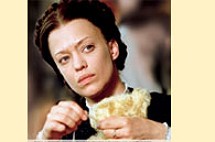
Margarete Steiff contracted polio at the age of eighteen months, a dreaded and debilitating disease. She was destined to spend the rest of her life in a wheelchair for her left foot was totally paralyzed, her right foot was lame, and she had only partial use of her right arm.
Margarete Steiff contracted polio at the age of eighteen months, a dreaded and debilitating disease. She was destined to spend the rest of her life in a wheelchair for her left foot was totally paralyzed, her right foot was lame, and she had only partial use of her right arm.
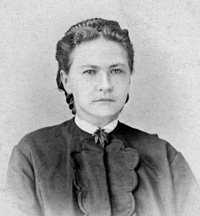
Perhaps a lighter spirit would bemoan the slings and arrows that fate had bestowed, but Margarete proved to have strength, courage and a will to become far more than most women of her generation.
Margarete Steiff attended school and was even carried, by stronger children, to some of her classes. She learned to sew on a machine and, though painful, became proficient in hand needlework as well.
With the completion of her education she was employed as a dressmaker and succeeded not only because of her skill, but as a result of her vibrant personality.
Margarete Steiff attended school and was even carried, by stronger children, to some of her classes. She learned to sew on a machine and, though painful, became proficient in hand needlework as well.
With the completion of her education she was employed as a dressmaker and succeeded not only because of her skill, but as a result of her vibrant personality.
In 1880, she made her first toy fashioned of felt and stuffed with lambs wool. The tiny elephant delighted the children who received it; as it did the adults who used it as a pin cushion.
She even sold a few (although production was limited, reaching only 29 by 1882). Soon new animals were created. Ten years later, this extraordinary woman had formed a company and applied for patents to make other playthings.
She even sold a few (although production was limited, reaching only 29 by 1882). Soon new animals were created. Ten years later, this extraordinary woman had formed a company and applied for patents to make other playthings.
The Steiff Company of Giengen an der Brenz, Germany, produced it's first jointed stuffed bears during the 1902-1903 period. The animals were the creation of Margaret Steiff.
Steiff bears were first introduced at the 1903 Leipzig Fair, where an American buyer saw them and ordered several thousand for shipment to the US.
Steiff bears were first introduced at the 1903 Leipzig Fair, where an American buyer saw them and ordered several thousand for shipment to the US.
See the collection ....
*Steiff Teddy Bears Online